
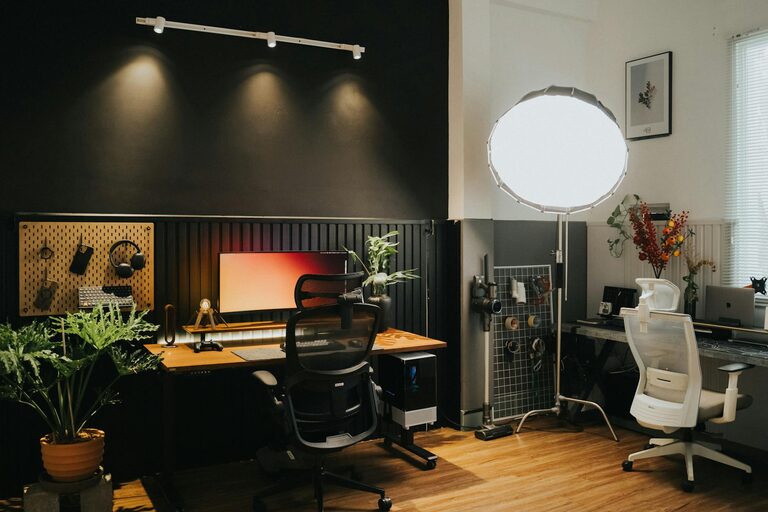
Creating a home office space that feels cozy and inviting can make a huge difference in your workday. Whether you work from home full-time or just need a dedicated spot for occasional tasks, designing a comfortable workspace helps you stay focused and relaxed. Below are practical tips to help you create a welcoming home office that suits your needs and style.
Choose the Right Location
Finding the perfect spot for your home office is the first step. Ideally, pick a quiet area with minimal distractions.
– Natural light: Position your desk near a window to enjoy daylight, which can improve mood and productivity.
– Privacy: Select a space where you won’t be easily interrupted by family or roommates.
– Space: Make sure there’s enough room for your desk, chair, and any storage or equipment you use.
If space is limited, consider creative options like a corner nook, a section of the living room, or even a closet converted into a mini office.
Invest in Comfortable and Functional Furniture
Comfort matters a lot when you spend hours working at your desk.
– Ergonomic chair: Choose a chair that supports your back and encourages good posture.
– Desk height: Make sure your desk is at a height that allows your arms to rest comfortably while typing.
– Storage: Use shelves, drawers, or organizers to keep supplies tidy and within reach.
Remember to measure your space before buying furniture to ensure everything fits well and the room doesn’t feel cramped.
Personalize with Warm Colors and Textures
Colors and textures influence the mood and feel of your workspace.
– Warm tones: Shades like soft beige, muted yellows, or pastel pinks can make the room feel cozy.
– Textiles: Add a soft area rug, cushions, or a throw blanket to introduce texture and warmth.
– Wall art: Choose artwork or prints that inspire and calm you without being distracting.
Avoid overly bright or harsh colors that can be overwhelming for long work sessions.
Organize to Reduce Clutter
A clutter-free space helps your mind stay clear and focused.
– Desk organizers: Use pen holders, trays, and small bins to sort office supplies.
– Cable management: Keep cords neat with clips, covers, or cable boxes.
– Regular cleaning: Set a routine to tidy up your workspace daily or weekly.
If you deal with a lot of papers, consider using filing systems or digital scanning to reduce physical piles.
Add Greenery for Freshness
Plants bring life and freshness to your office, and caring for them can be a relaxing break.
– Easy-care plants: Choose low-maintenance ones like pothos, succulents, or snake plants.
– Placement: Put plants on your desk, shelves, or window sills to brighten up the room.
– Benefits: Plants can improve air quality and reduce stress.
Make sure your plants get the right amount of sunlight and water according to their needs.
Set Up Good Lighting
Proper lighting reduces eye strain and creates a pleasant atmosphere.
– Task lighting: Use a desk lamp with adjustable brightness for focused work.
– Ambient lighting: Consider soft overhead lights or floor lamps for general illumination.
– Natural light: Make the most of daylight, but reduce glare with blinds or curtains.
Avoid harsh fluorescent lights that can cause discomfort during long hours.
Incorporate Personal Touches
Adding items that reflect your personality turns a plain office into a space you enjoy.
– Photos and mementos: Keep a few framed pictures or keepsakes on your desk or shelves.
– Inspirational quotes: Display a favorite quote or mantra to keep you motivated.
– Unique accessories: Use decorative organizers, colorful stationery, or art pieces that make you smile.
Balancing personalization with simplicity helps maintain focus without clutter.
Create Zones for Different Activities
If your space allows, design separate areas for various tasks.
– Work zone: Where your desk, computer, and main supplies are.
– Break zone: A comfy chair or small area for reading and relaxing.
– Storage zone: A dedicated spot for files, books, and extra materials.
Having defined zones boosts productivity and helps you change focus throughout the day.
Maintain Good Air Quality and Temperature
A comfortable environment includes fresh air and pleasant temperature.
– Ventilation: Open windows when possible or use air purifiers.
– Temperature control: Use fans or heaters to keep the temperature comfortable year-round.
– Humidity: A small humidifier can help if the air is too dry, especially in winter.
Feeling comfortable physically helps you concentrate better.
Final Thought
Designing a cozy and inviting home office is about balancing comfort, style, and functionality. By choosing the right location, investing in ergonomic furniture, personalizing your space, and keeping it organized, you create a workspace that supports both productivity and well-being. Whether you have a small corner or an entire room, these tips will help you build a comforting place to work from home. Happy decorating!