
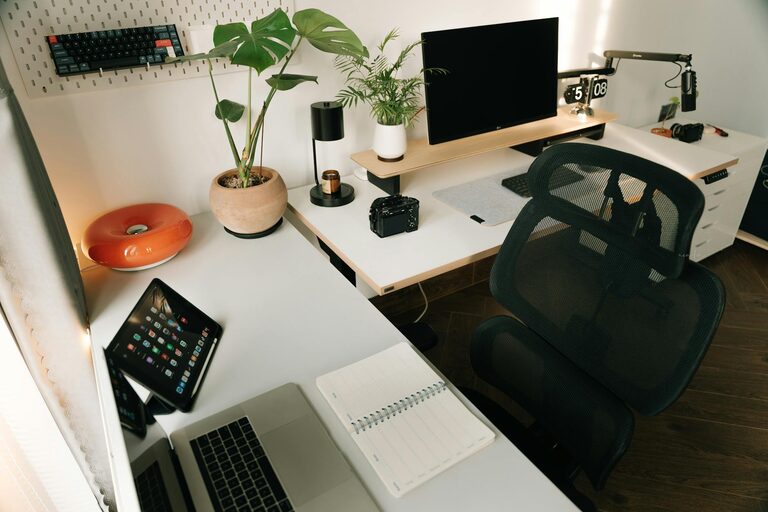
Creating a productive home workspace is more important than ever, as many people continue to work remotely or manage home-based projects. A well-organized workspace helps you focus, boosts your efficiency, and can even improve your mood throughout the day. Whether you have a dedicated room or just a corner in your living area, these tips will help you set up a home workspace that works for you.
Choose the Right Spot
The first step in organizing a productive workspace is to select a location that supports your work habits.
– Quiet and Low-Traffic: Pick a spot where distractions are minimal. This might be a spare room, a quiet corner, or a nook away from household activity.
– Natural Light: If possible, position your desk near a window. Natural light can reduce eye strain and improve alertness.
– Comfortable Temperature and Ventilation: A space that is too hot, cold, or stuffy can affect your focus. Choose a well-ventilated area and adjust the temperature for comfort.
Invest in Ergonomic Furniture
Your comfort impacts how long and how well you can work.
– Desk and Chair: Choose a desk at the right height and an adjustable chair that supports good posture. Ergonomic chairs help reduce back and neck strain.
– Monitor Placement: The top of your monitor should be at eye level to prevent neck pain. Use a stand if necessary.
– Keyboard and Mouse: Keep these within easy reach and positioned to keep your wrists straight.
Declutter and Organize Your Space
A tidy workspace can greatly enhance productivity.
– Limit Items on Your Desk: Keep only essentials like your computer, a notepad, and a few stationery items.
– Use Storage Solutions: Shelves, drawers, and desk organizers can keep supplies neatly arranged.
– Cable Management: Use clips or ties to keep cords untangled and out of the way.
– Digital Declutter: Organize your computer files and emails to reduce digital distractions.
Personalize Without Overdoing It
Adding a personal touch to your workspace can make it inviting.
– Plants: Small indoor plants improve air quality and add a calming effect.
– Photos or Art: Keep one or two meaningful photos or pieces of art that lift your mood.
– Color Choices: Use colors that inspire productivity, such as blues and greens, but avoid overly bright or distracting hues.
Set Up a Routine and Boundaries
Organization extends beyond physical space.
– Dedicated Work Hours: Define your working hours and stick to them to maintain balance.
– Separate Work and Leisure: Avoid using the workspace for non-work activities.
– Take Regular Breaks: Set reminders to stretch, hydrate, and rest your eyes.
Utilize Technology Wisely
Technology can help keep you organized if used properly.
– Productivity Apps: Use calendars, task managers, and note apps to track your work.
– Noise-Cancelling Headphones: These can help maintain focus in a noisy environment.
– Reliable Internet Connection: Ensure your internet is stable to avoid interruptions.
Keep Cleaning Supplies Handy
Maintaining cleanliness is key to a pleasant workspace.
– Wipe Down Surfaces: Regularly clean your desk and equipment.
– Air Quality: Consider air purifiers or open a window periodically.
Adapt and Adjust as Needed
Your workspace should evolve with your needs.
– Try Different Layouts: Experiment with furniture placement for better ergonomics or light exposure.
– Seek Feedback: If you share your workspace, communicate needs and preferences.
– Review Periodically: Every few months, assess what is working and what isn’t.
—
By implementing these strategies, you can transform any home workspace into an environment that fosters productivity, creativity, and well-being. Remember, organization doesn’t require perfection—find what works best for you and make it your own.